You can spend a week in Spain ordering coffee, smiling politely, and saying “gracias” on repeat – or you can come home actually speaking. That is the difference a Spanish course with accommodation can make when it is built around real conversation, daily life, and enough time in one place to settle in properly.
For many adult learners, the appeal is obvious. You do not want a rushed city break with a few lessons squeezed in. You want to wake up in Spain, hear the language around you, use it with purpose, and have the practical side sorted so you can focus on learning. When accommodation is part of the course, the experience becomes calmer, more immersive, and far more rewarding.
Why a Spanish course with accommodation works so well
Language learning improves when it stops feeling separate from the rest of your day. A classroom can give you structure, but progress often happens in the small in-between moments – breakfast chats, asking for directions, joining a group walk, or talking about the weather over dinner. Staying as part of the programme gives those moments space to happen naturally.
There is also a simple practical benefit. If your room, lessons, local transport and support are arranged together, you are not spending energy comparing hotels, navigating unfamiliar logistics, or worrying whether you have booked something miles away from the school. For adult learners, especially those travelling solo, that reassurance matters.
It also changes the rhythm of your stay. Instead of commuting in and out of a busy resort or city, you are present from the start. You sleep better, settle faster, and begin to feel part of the place rather than a visitor passing through.
What to look for in a Spanish course with accommodation
Not every package is equal. Some are little more than lessons plus a room. Others are carefully designed around how adults actually learn best.
The first thing to check is whether the teaching is practical. If your main goal is to speak with more confidence, you need a course that prioritises conversation, listening, and useful language over endless grammar theory. Grammar still matters, of course, but it should support communication rather than dominate it.
Small groups are another good sign. Adult learners usually make faster progress when they are known by name, taught at their level, and encouraged to speak often. In a smaller setting, teachers can adjust pace, notice where you hesitate, and build lessons around real needs rather than a rigid script.
Accommodation itself deserves a closer look too. Comfort matters, but so does location and atmosphere. A peaceful place to stay can make learning easier because you have space to rest and process what you have heard all day. If the accommodation is part of the wider experience rather than an afterthought, it usually shows in the details.
Then there is the question of what happens outside lessons. This is where the strongest programmes stand out. Guided activities, shared meals, local excursions and informal conversation opportunities all reinforce what you learn in class. They help turn Spanish from something you study into something you use.
City schools versus destination-based immersion
A city school can be a good fit if you want museums, nightlife and lots of independence. There is usually plenty happening, and public transport is easy. For some learners, that energy is exciting.
But there is a trade-off. Big cities can be noisy, fast-paced and surprisingly anonymous. It is possible to spend a week there speaking more English than Spanish, especially in tourist-heavy areas. If your hotel is separate from the school and your social time happens elsewhere, the immersion can become patchy.
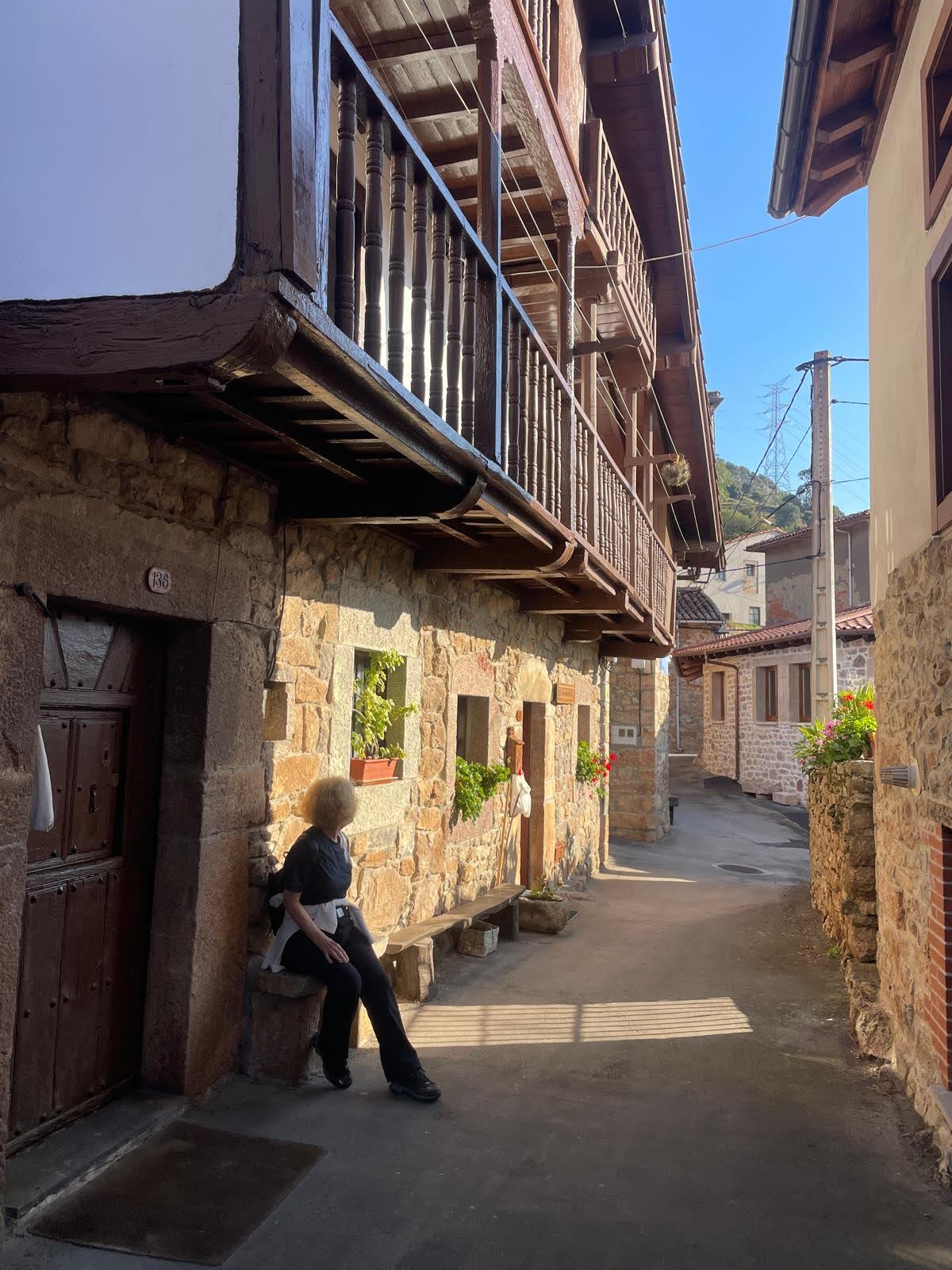
A destination-based course offers something different. In a smaller place, especially in the Spanish countryside, the pace is gentler and the experience often feels more human. You notice more. You hear local accents in everyday settings. You walk, eat, and learn within the same community. For many adults, that creates the ideal balance between structured learning and an enjoyable Spanish holiday.
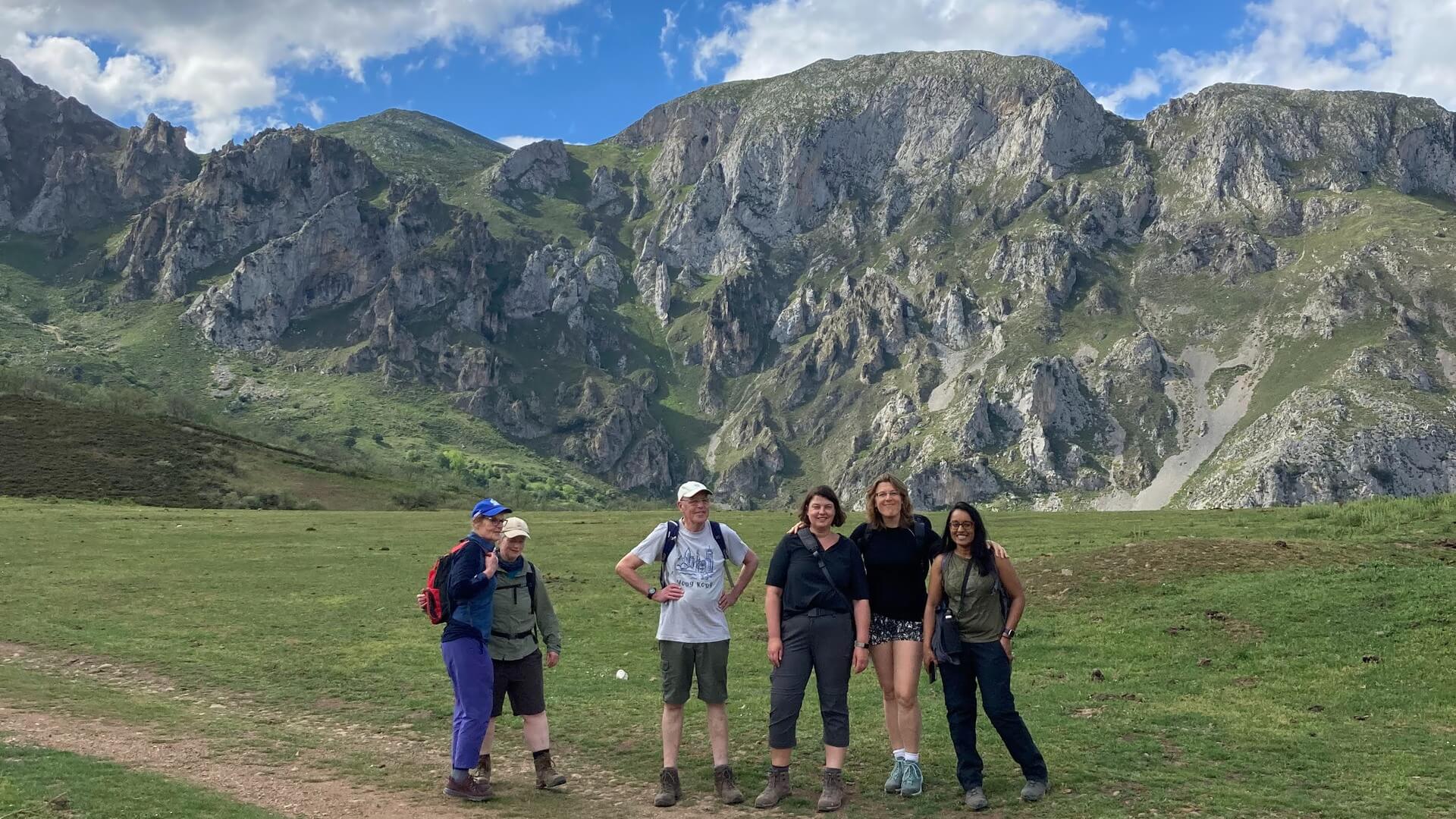
This is particularly true if you like active travel. Combining language lessons with walking, culture and time outdoors can make the whole experience more memorable. You are not staring at a workbook for six hours. You are learning with your head clear, your body moving, and your senses switched on.
The role of accommodation in confidence and comfort
A good room will not teach you the subjunctive, but it can absolutely affect how well you learn. Adult learners often underestimate the impact of comfort, quiet, and feeling looked after.
If you are sleeping badly, struggling with directions, or feeling isolated in a generic hotel, your energy drops. If, on the other hand, your accommodation is welcoming and integrated into the programme, you relax into the experience much sooner. That matters because confidence in language learning is fragile at first. A supportive environment helps you keep speaking even when you make mistakes.
There is also an emotional side to it. Many people booking this kind of course are travelling alone, or returning to study after years away from the classroom. They want challenge, but not stress for the sake of it. Accommodation that feels friendly and well organised can make the whole trip feel possible.
Why adult learners often want more than lessons
Adults usually arrive with clear goals. Some want to finally speak on trips to Spain without freezing. Some need Spanish for work, family or retirement plans. Others simply want the satisfaction of doing something stimulating and enjoyable with their holiday time.
What they rarely want is a school experience that feels childish, overly academic or disconnected from real life. That is why experience-led courses work so well. When learning is paired with local food, guided walks, cultural insight and genuine conversation, motivation stays high.
There is a deeper reason too. Adults learn through meaning. We remember language better when it is tied to places, people and situations. The phrase you used on a mountain path or during a chat in a village café tends to stick far better than the one you copied from a whiteboard.
Choosing the right setting in Spain
Spain offers very different kinds of immersion. Coastal towns, major cities, islands and rural regions each bring their own mood. The best choice depends on the experience you want, not just the number of class hours.
If authenticity matters to you, look beyond the standard tourist circuit. A course in northern Spain, for example, can offer a very different atmosphere from the better-known hotspots. You may find greener landscapes, cooler walking weather, stronger connections with local communities, and fewer chances to fall back into tourist habits.
For travellers who value nature and a slower pace, the beautiful Spanish countryside can be a powerful setting for language learning. It gives you room to think, breathe and notice the culture around you. That does not mean less immersion. If anything, it can mean more honest immersion because you are engaging with real Spain rather than a polished visitor bubble.
One example of this approach is PeakMe, where structured Spanish learning sits alongside guided walking, local culture and accommodation in northern Spain. It suits adults who want a language school with a twist rather than a standard classroom-only stay.
Sustainability is part of the experience now
For many travellers, how a course is run matters almost as much as what is included. If you care about meaningful travel, it is worth asking how your programme affects the place you are visiting.
A thoughtful school will keep group sizes manageable, respect local communities, and avoid treating the destination as a backdrop. It may encourage rail or ferry travel, arrange shared transfers, or choose walking routes that reduce pressure on the busiest areas. These details are not marketing extras. They shape the kind of holiday you are having.
There is a nice fit between language learning and lower-impact travel, too. Both ask you to slow down, pay attention and engage properly with where you are. You tend to leave with more than photos.
Is a packaged course right for you?
It depends on how you like to travel and learn. If you are highly independent, happy to book everything separately, and mainly want formal tuition, a stand-alone school may suit you. You might save money that way, though you may spend more time organising and more energy joining the pieces together.
If you value ease, immersion and a stronger sense of being looked after, a package often makes better sense. The cost can be higher upfront, but you are paying for design as well as delivery – the teaching, the accommodation, the flow of the week, the support, and the quality of the experience as a whole.
For many adults, that joined-up feeling is the point. You are not trying to bolt a language course onto a holiday. You are choosing a holiday that helps you speak more Spanish.
The best Spanish course with accommodation is not simply the one with the most hours or the cheapest room. It is the one that gives you enough structure to improve, enough warmth to relax, and enough real-life contact with the language that speaking starts to feel natural. If you can finish the week not just having studied Spanish but having lived some of it, you have chosen well.