A good stay in the Picos can shape the whole rhythm of your trip. The best picos de europa hotels are not always the grandest or the most polished. Often, they are the places that get the basics exactly right – a quiet room after a long walk, a generous breakfast, local knowledge at the front desk, and a setting that helps you feel part of this corner of northern Spain rather than just parked beside it.
That matters here because the Picos de Europa is not one single resort area. It stretches across Asturias, Cantabria and Castilla y Leon, and each side has a different feel. Stay in the wrong place for your plans and you can spend more time driving than walking, or find yourself in a busy tourist hub when what you wanted was village calm and mountain air. Choose well, though, and your hotel becomes part of the experience.
How to choose Picos de Europa hotels
Before comparing styles or comfort levels, it helps to decide what kind of trip you actually want. Some travellers come for serious hiking and early starts. Others want scenic drives, long lunches and the chance to potter through stone villages, practise a little Spanish and slow down. Both are excellent ways to experience the region, but they suit different bases.
If walking is your priority, look closely at travel times to trailheads rather than just the map. A hotel that appears central can still be awkward for mountain routes if the roads are winding. In places like Fuente De, Sotres, Poncebos and around Cain, proximity can make a huge difference, especially if you want to start before the crowds or avoid relying on the car all day.
If culture and atmosphere matter more, village stays can be a better fit than mountain-edge hotels. Towns such as Potes, Cangas de Onis and Arenas de Cabrales give you easier access to cafés, local shops and a more lived-in sense of daily life. For many adult travellers, especially those who enjoy language learning and authentic contact with local people, that balance can be more rewarding than a remote lodge with a dramatic view but little else nearby.
There is also the question of season. In summer, well-known spots fill quickly and prices rise. In shoulder months, some smaller hotels may offer better value, but opening dates become more important. Spring and autumn can be wonderful here – greener, quieter, softer – yet they require a bit more planning.
The best areas for Picos de Europa hotels
Potes is one of the easiest places to recommend if you want flexibility. It has a proper small-town feel, attractive streets, plenty of places to eat and a good position for exploring the Liébana valley and the Fuente De cable car area. Hotels here range from simple family-run stays to more comfortable rural properties with gardens and mountain views. If you like your holiday to include both activity and comfort, Potes is often a sensible base.
Cangas de Onis works well if your plans include the Covadonga lakes, eastern Asturias and a broader northern Spain itinerary. It is livelier than some smaller villages and can feel more commercial in peak season, but it is practical, well-served and easy to understand for first-time visitors. That convenience is a real advantage if you do not want to feel cut off.
Arenas de Cabrales and nearby villages suit travellers who want access to mountain scenery without losing contact with local life. This is a good area for anyone curious about rural Asturias beyond the postcard view. You are close to famous walking routes and also in a region with strong food traditions, distinctive cheeses and a slower, more grounded atmosphere.
For a wilder mountain feel, Poncebos, Sotres and Cain put you nearer to iconic routes such as the Cares Gorge. The trade-off is that accommodation can be more limited, roads more demanding and evenings quieter. Some people love that. Others realise after two nights that they would rather have a choice of restaurants and an easier drive back from a day out.
What different hotel styles offer
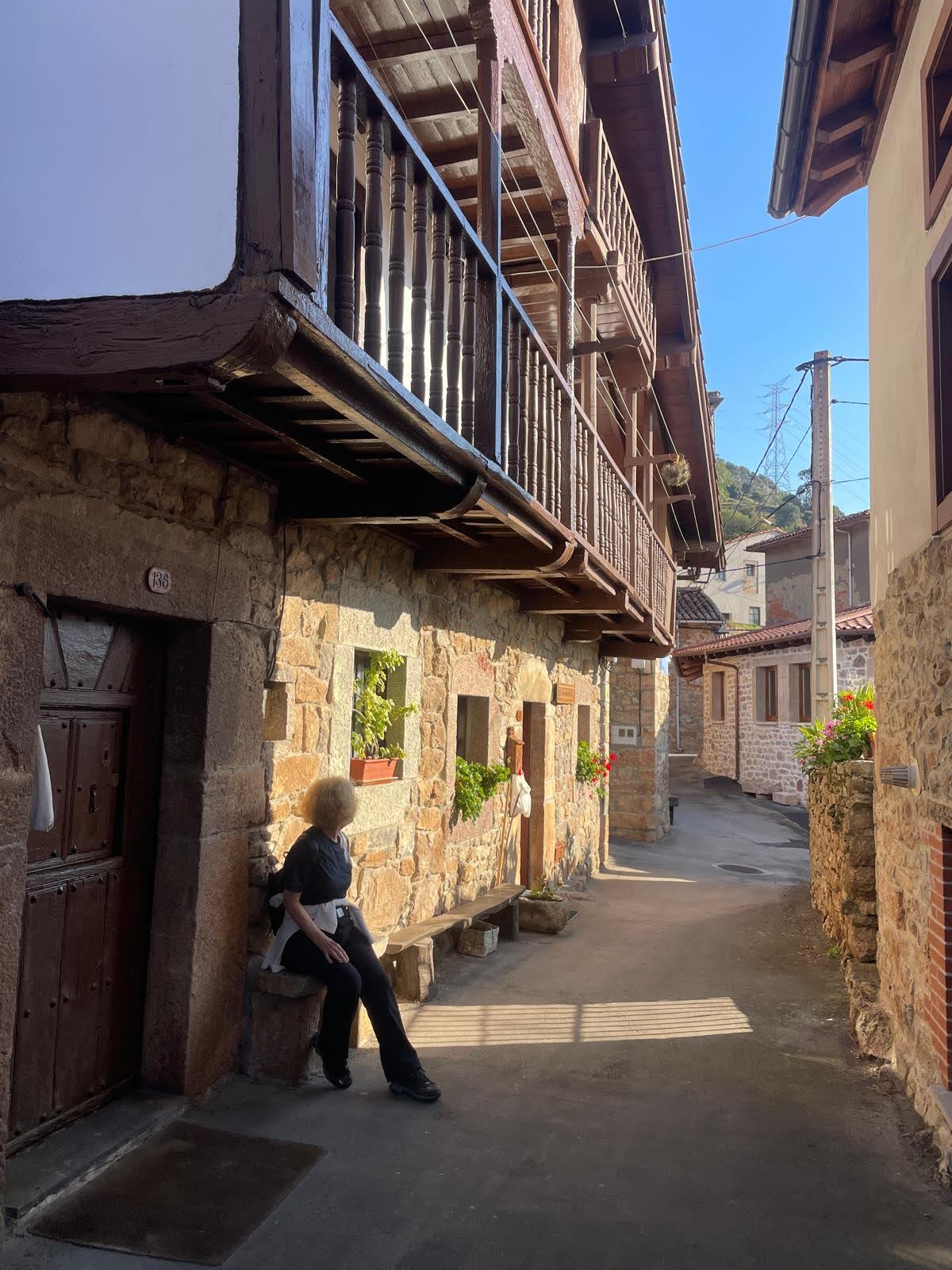
Not all Picos de Europa hotels are trying to do the same job, and that is where expectations matter. Traditional rural hotels are often the sweet spot for this region. They tend to offer character, personal service and a stronger connection to place than chain-style accommodation. Think stone buildings, wooden balconies, homemade cakes at breakfast and owners who know the weather patterns better than your app does.
That said, charm sometimes comes with quirks. Room sizes may vary. Soundproofing can be less than perfect in older properties. Wi-Fi may be patchy in more remote settings. For many travellers, those are small compromises. For others, especially if combining work and travel, they can be frustrating.
Boutique hotels are growing in number and can be lovely for a more indulgent stay. These are often best if your holiday leans towards comfort, food and scenery rather than dawn starts for big walks. You may get better design, more spacious rooms and a more curated feel, but prices can climb quickly in the most sought-after spots.
At the simpler end, hostales and guesthouses can be excellent value, particularly if you plan to spend most of the day outdoors. In this region, simple does not necessarily mean impersonal. Some of the warmest welcomes come from modest family-run places where the owner remembers your coffee order and points you towards the quieter footpaths.
What matters more than star ratings
A four-star label in the mountains does not always tell you much. In the Picos, practical details often matter more than formal category. Heating is important outside the warmest months. So is parking, especially in villages with narrow lanes. Early breakfast availability can be useful for walkers, while drying space for wet boots and jackets can be worth more than a spa.
Views matter too, but only up to a point. A room with a mountain panorama sounds ideal, and often is, yet it may also sit on a road used by day-trippers or in a more isolated area than you expected. Sometimes the better choice is a quieter room in a village where you can step outside in the evening, order dinner in Spanish and feel the place around you.
Food is another dividing line. Some hotels serve excellent regional cooking, while others treat meals as an afterthought. If local cuisine is part of why you travel, it is worth checking whether the kitchen has a good reputation or whether you will need to drive elsewhere each evening. In a region known for hearty mountain dishes, cheeses and cider, that can shape your whole impression of the trip.
Hotels for walking holidays versus slower stays
If your perfect day involves boots on by 8 am, a packed lunch in your bag and a proper sense of effort by lunchtime, stay close to the routes you care about most. That reduces faff and gives you more freedom if weather conditions change. Remote hotels can be brilliant for this style of trip, especially if the staff understand walkers and do not look puzzled when you appear at breakfast in waterproofs.
If your idea of a good break is more mixed – a morning stroll, a long lunch, a local market, perhaps a bit of Spanish practice with friendly shopkeepers – then a town or village base is usually better. This is where the region really shines for travellers who want more than scenery. The Picos are beautiful, yes, but they are also deeply inhabited. Staying somewhere with daily local life around you changes the feel of the holiday.
That is one reason experience-led trips work so well here. A place to sleep is only part of the story. For adult learners, walkers and culturally curious travellers, accommodation works best when it supports connection – to the landscape, to the language and to the people who make this part of Spain feel so special.
A note on sustainability and local character
Choosing between Picos de Europa hotels is also a chance to think about how you travel. Smaller locally run properties often keep more value in the area and tend to have a stronger sense of stewardship towards the landscape. They may not advertise it loudly, but many operate with a practical respect for the environment because they live within it.
That can mean simpler choices rather than flashy eco-claims – seasonal food, less waste, advice on quieter routes, and a real understanding of how to enjoy the mountains without adding pressure to the busiest spots. If that matters to you, it is worth favouring hotels that feel rooted rather than generic.
For travellers who want a richer experience of the beautiful Spanish countryside, the best hotel is rarely just the one with the nicest photographs. It is the one that fits your pace, your interests and your reason for coming. Get that right, and the Picos does what it does best – it slows you down, wakes you up and leaves you wanting a little more time than you planned.