You can spend a week in Spain ordering coffee, pointing at menus, and promising yourself you will practice more next time. Or you can choose spanish immersion holidays spain travelers remember for a completely different reason – because something finally clicks, and you start speaking with more ease than you thought possible.
For adult learners, that shift rarely comes from sitting in a classroom all day and then going back to a hotel full of other tourists. It happens when Spanish becomes part of the rhythm of the day. You hear it at breakfast, use it on a walk, try it out in class, and test it again over dinner. That is where immersion starts to feel less like study and more like real life.
What makes Spanish immersion holidays in Spain different?
A true immersion holiday is not just a language course in a sunny destination. The best programs blend structured teaching with lived experience, so you are not only learning vocabulary but actually using it in context. That matters because adult learners usually need more than grammar explanations. They need repetition, relevance, and a reason to speak.
In practice, that means your day might include focused lessons in the morning, conversation throughout the afternoon, and cultural moments that naturally pull new language out of you. You ask for directions, talk about food, discuss the weather on a trail, and laugh through the odd mistake. The language stops being theoretical.
Spain is especially well suited to this kind of learning because daily life is so social. Meals are shared, conversations stretch, and local routines invite participation. If you choose the right setting, you are not learning around Spain. You are learning through it.
Why Spain works so well for adult immersion
Spain offers obvious advantages for English-speaking learners. The country is accessible, welcoming, and full of regional variety, so your holiday can match your pace and interests. But the bigger advantage is that Spain gives language a place to live.
In larger cities, you will find convenience, museums, and plenty of cultural energy. For some people, that is ideal. If you enjoy urban life and want lots happening around you, a city-based immersion course can be a strong fit.
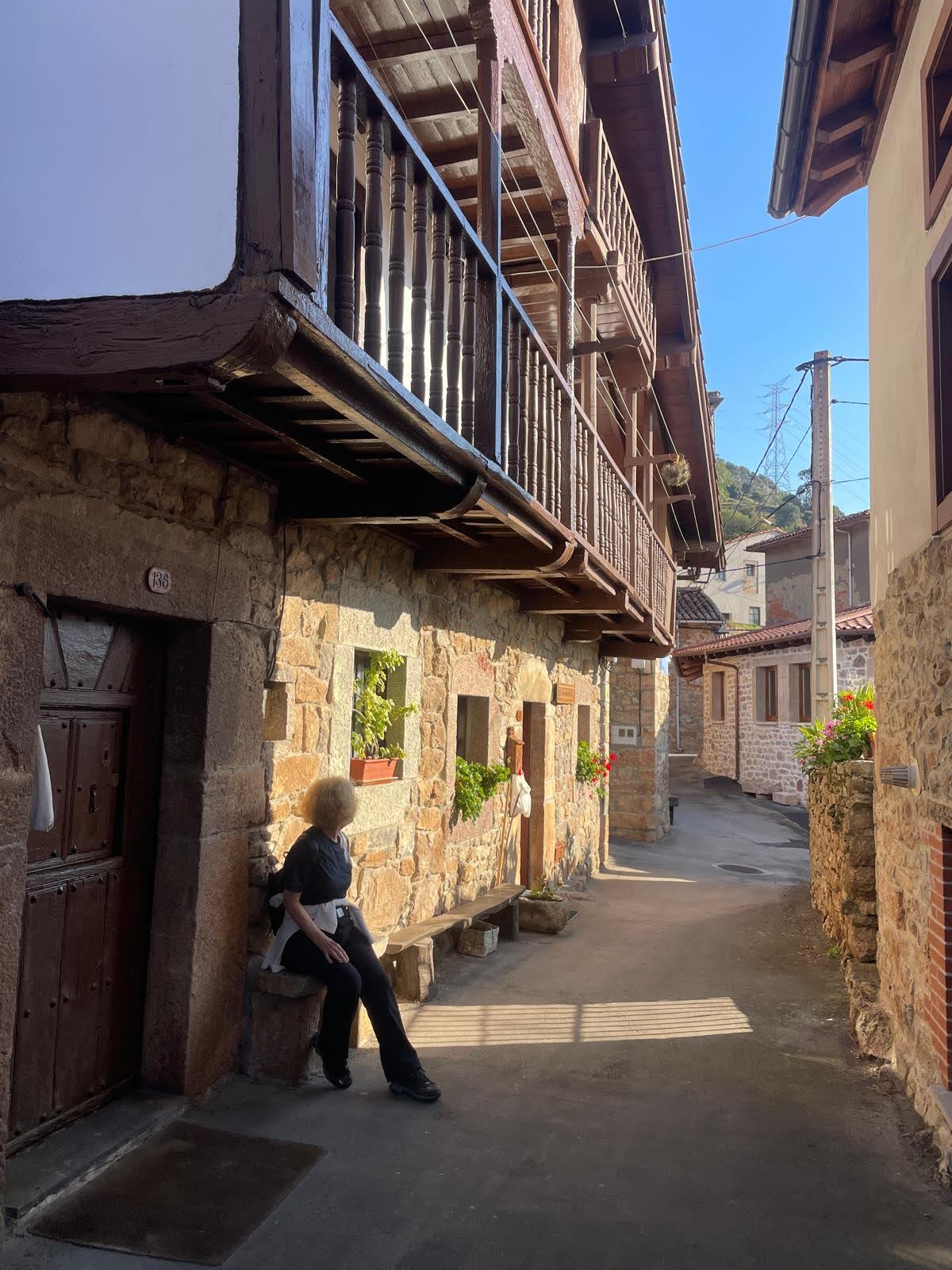
But there is a trade-off. Big tourist centers also make it easy to stay inside your English-speaking comfort zone. You can get by without pushing yourself very much, and that can slow progress. For many adult learners, smaller towns and rural areas create a more focused kind of immersion. There is less noise, fewer distractions, and more chances to interact in a natural, grounded way.
That is why Spanish immersion holidays in Spain often work best outside the standard tourist circuit. In quieter regions, you notice more. You listen more carefully. You are more present in each conversation. And because the environment feels personal rather than anonymous, many learners find they are less self-conscious about speaking.
The best immersion holidays are built around conversation
Many adults come to Spain with the same frustration. They know more Spanish than they can actually use.
They have studied before. They remember verb tables. They understand more than they can say. But when the moment comes to answer a simple question, confidence disappears. That gap between knowledge and speaking ability is exactly where a well-designed immersion holiday can help.
The strongest programs do not overload you with theory. They focus on practical Spanish – the kind you need to introduce yourself, ask questions, handle everyday situations, and join real conversations. Good teaching still matters, of course. Structure matters. Clear explanations matter. But the goal is communication, not perfection.
That is especially important for adult learners who may be balancing nerves with excitement. A supportive environment changes everything. Small groups, encouraging teachers, and plenty of spoken practice make it easier to take risks. Once that happens, progress often comes faster than people expect.
Learning through place, not just in place
One reason immersion holidays can be so memorable is that the setting becomes part of the lesson. You remember words better when they are attached to lived experience. The phrase you practiced while walking through a village stays with you differently from the phrase you copied from a worksheet.
That is where destination-based learning has a real edge. A walk in the countryside, a market visit, a conversation over lunch, or a discussion about local customs gives language emotional context. It feels useful straight away. And when learning feels useful, adults tend to stick with it.
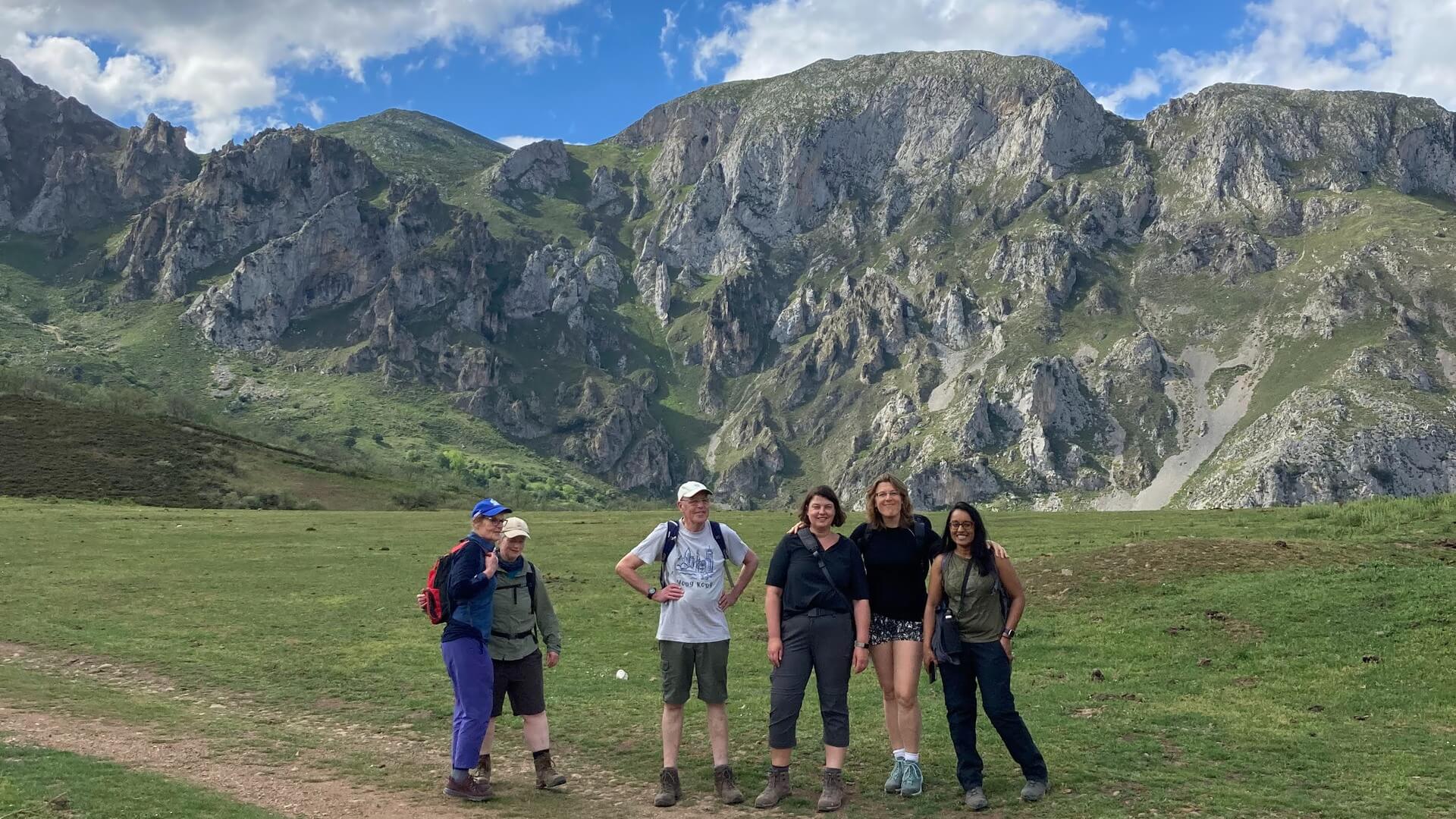
For travelers who love movement and culture in equal measure, northern Spain is especially appealing. It offers green landscapes, dramatic mountain scenery, traditional villages, and a slower, more human pace. You get the beauty of a Spanish holiday, but also the feeling of stepping into real local life.
This is part of what makes a program with walking, guided activities, and everyday interaction so effective. At PeakMe, for example, the idea is not to separate learning from the holiday experience. It is to weave Spanish through the whole stay, so conversation grows naturally alongside the adventure.
Choosing the right Spanish immersion holiday in Spain
Not every immersion trip suits every learner, and that is a good thing. The right choice depends on what you want from the week.
If your main goal is rapid speaking improvement, look for a program with strong teaching hours, small groups, and plenty of guided conversation. If your priority is combining language with travel, pay close attention to how the cultural and activity side is organized. Some holidays add a few excursions onto a standard course. Others build the full experience around immersion from the ground up.
Accommodation also matters more than many people expect. Staying somewhere comfortable, welcoming, and well organized takes pressure off your day and helps you focus on learning. The same goes for transfers, meal options, and local support. When those practical details are handled well, the whole experience feels more relaxed and more immersive.
It is also worth being honest about your energy levels. Some travelers want a packed schedule. Others want a balance of lessons, activity, and downtime. Neither is better. The best program is the one you will actually enjoy enough to stay open, curious, and ready to speak.
What beginners and improvers should know
A lot of adults worry they need a certain level before booking an immersion holiday. Usually, they do not.
Beginners can do very well if the course is designed with patience, clear structure, and practical communication in mind. In fact, starting in an immersive environment often helps learners build good habits early. You begin by hearing natural Spanish from day one, and that can make the language feel more alive and less intimidating.
Improvers, meanwhile, often see the biggest gains because they already have some foundation. They may not need more information so much as more use. Immersion gives them repeated chances to turn passive knowledge into active speech.
Advanced learners can benefit too, but they should look for a program with enough depth and challenge. Conversation quality, cultural discussion, and exposure to natural local speech become more important at that stage.
The real value goes beyond language
People often arrive hoping to improve their Spanish and leave with something broader. They feel refreshed. More confident. More connected to the country and to themselves.
That is not accidental. A good immersion holiday gives you the pleasure of travel with the satisfaction of progress. You are not only taking a break from routine. You are doing something that stretches you in a rewarding way. For professionals, it can feel like a reset. For retirees, it can open up a new chapter. For anyone who has wanted a holiday with more substance, it offers a rare mix of enjoyment and growth.
And because the best experiences are social, many learners come away with new friendships as well as new language. Shared effort has a way of bringing people together quickly, especially when it is mixed with good food, beautiful scenery, and the occasional funny mistake in Spanish.
Are Spanish immersion holidays worth it?
If you want a cheap break with a few language classes attached, probably not. But if you want a holiday that changes how you speak, how you travel, and how confidently you engage with Spain, they can be absolutely worth it.
The key is choosing a program that treats language as a lived experience, not an add-on. The most rewarding holidays combine expert teaching, real conversation, thoughtful hospitality, and a setting that invites you into the culture rather than keeping you at a distance.
That is when Spanish stops being something you study and starts becoming something you use. And once that happens, even a single week can leave a lasting mark.
If you are going to give your time, energy, and holiday budget to learning Spanish, choose the version that lets you come home with stories, confidence, and a language that feels more like your own.