

You remember more Spanish when you have used it before lunch. Ordering a coffee in a village bar, asking about the weather on the trail, chatting over dinner after a day outdoors – this is why a walking holiday with Spanish lessons works so well for adult learners. The language stops being a school subject and starts becoming part of the day.
For many people, that shift is exactly what has been missing. Traditional classes can be useful, but they often leave a gap between knowing the rules and actually speaking. A holiday built around walking, conversation and local life closes that gap in a natural way. You are learning with purpose, moving through beautiful surroundings, and hearing Spanish where it belongs – in real conversations.
Why a walking holiday with Spanish lessons feels different
There is something about walking that changes the way people learn. You are relaxed but alert. You are not staring at a screen or worrying about getting every sentence perfect. Side-by-side conversation feels easier than speaking up in a formal classroom, especially if you are a little rusty or nervous.
That matters for adults. Many learners arrive with plenty of passive knowledge. They can follow a menu, pick out words in a podcast, perhaps even remember a surprising amount of grammar from school. What they often lack is confidence. Walking gives you time to practise without pressure. A guided route, a small group and regular moments to talk can turn hesitant Spanish into something much more spontaneous.
There is also a practical benefit. Movement helps concentration and memory. When lessons are paired with fresh air and varied experiences, vocabulary tends to stick. You do not just learn the word for path, mountain, cheese or rain because it appeared in a textbook. You use it on the spot, connected to a place, a person and a moment.
What to expect from this kind of Spanish holiday
The best programmes strike a balance. You want proper teaching, not simply a few phrases picked up on a ramble. But you also want more than classroom hours tucked around a standard trip. A good walking and language holiday combines structured Spanish lessons with guided walks, cultural contact and enough downtime to enjoy where you are.
For most adult learners, small-group teaching is a major advantage. It means your level, pace and speaking habits are noticed. If you need more support, you get it. If you are ready to stretch yourself, you are not held back. The aim is practical progress – speaking with more ease, understanding more quickly, and using Spanish in everyday situations rather than memorising abstract language for its own sake.
On the walking side, quality matters just as much. Routes should be thoughtfully chosen, not simply scenic. Some travellers want a more active challenge; others want moderate walks with time to stop, talk and take in the landscape. The right programme is honest about pace and difficulty, because there is no single ideal format. It depends on your fitness, your confidence on uneven ground and the kind of holiday you enjoy.
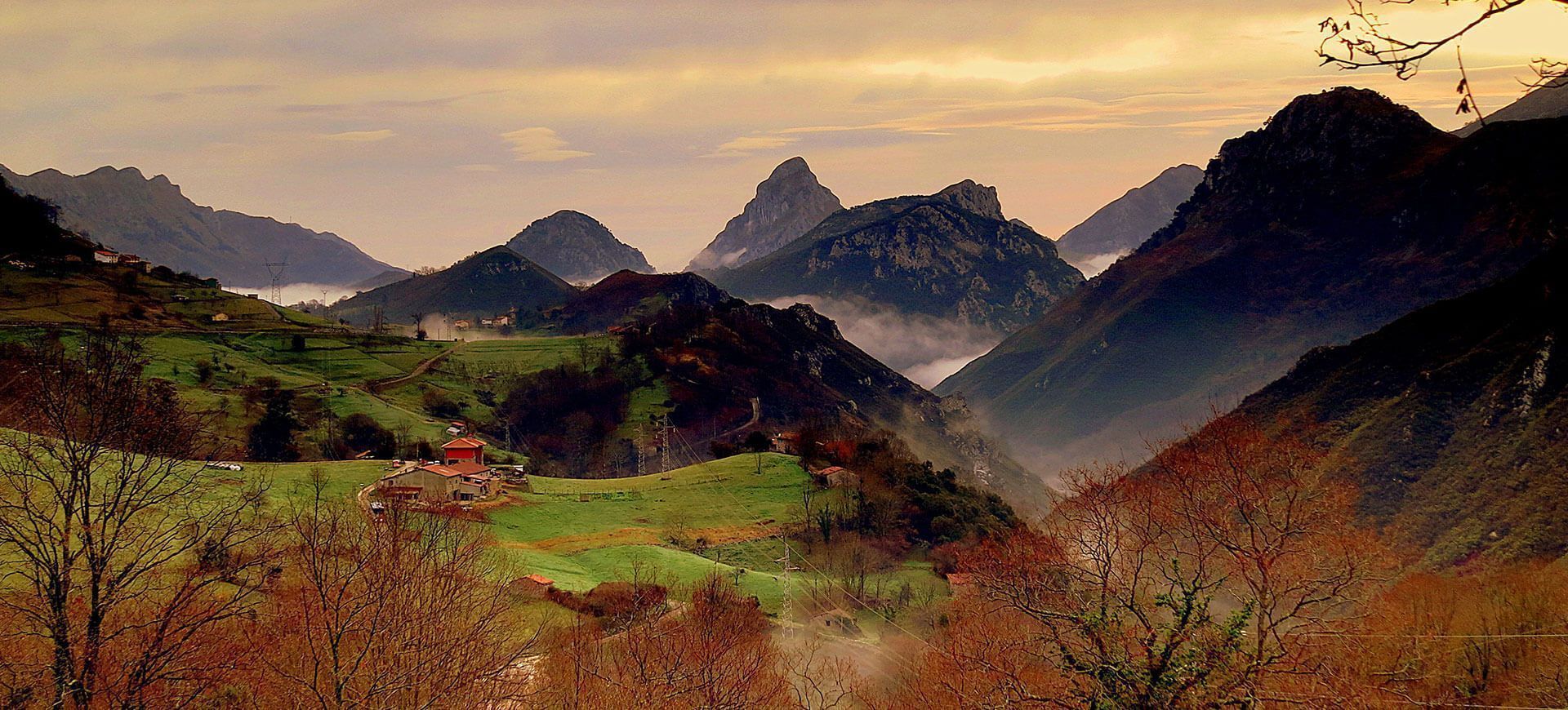
The setting makes a difference too. Northern Spain is especially appealing for this style of travel because it offers dramatic scenery, traditional villages and a strong sense of local life without the feel of a crowded resort. You get the beautiful Spanish countryside, yes, but also a more grounded experience of the country.
Language progress happens in the spaces between lessons
One of the real strengths of a walking holiday with Spanish lessons is that learning does not begin and end when the teacher says so. It carries on over breakfast, on the minibus transfer, while reading signs on the trail, and during conversation at supper.
That kind of immersion is often where confidence starts to grow. You hear useful phrases repeated in context. You notice how native speakers actually respond, interrupt, joke and simplify. You begin to move away from translating everything in your head.
There is a trade-off, of course. If your only goal is to prepare for a formal exam, a more classroom-heavy course may suit you better. But if you want spoken Spanish that feels alive and usable, this blend of study and shared experience is hard to beat. It mirrors real communication rather than testing your memory in isolation.
For beginners, that can sound daunting, but a supportive programme makes all the difference. Good tutors know how to build confidence without overwhelming you. They create space for mistakes, repetition and humour. Adults learn best when they feel at ease, not when they feel judged.
Who this sort of holiday suits best
This style of trip is particularly popular with adults who want their holiday to have substance. Professionals often like it because it feels restorative without being passive. Retirees enjoy the combination of learning, gentle challenge and social connection. Solo travellers often appreciate the community that forms quickly when people are walking and learning together.
You do not need to be an expert hiker, and you do not need perfect Spanish. What helps most is curiosity. If you enjoy active days, local culture and the idea of using Spanish in real situations, you are likely to get a great deal from it.
It is also a strong option for people who have tried apps or evening classes and found that progress plateaued. The issue is not usually ability. It is that language needs context, repetition and emotional connection. A memorable holiday provides all three.
That said, it is worth being realistic. If you prefer total independence and dislike group schedules, a package-based immersion trip may feel too structured. If you want intense mountain trekking, some language-focused programmes may be too gentle. The best fit comes from knowing whether your priority is learning, walking, or an even mix of both.
The appeal of real Spain, not staged Spain
Many travellers say they want authenticity, but what they usually mean is simple: they want experiences that do not feel manufactured. A walking and language holiday can offer exactly that when it is rooted in local knowledge.
Instead of rushing through famous sights, you spend time in places where daily life still sets the rhythm. You hear regional accents, notice local food traditions and discover that Spanish changes subtly depending on the setting and speaker. That is useful for learning, but it is also what makes the trip memorable.
This is where a thoughtful provider stands apart. At PeakMe, for example, the idea is not just to teach Spanish in Spain, but to create a language school with a twist – one that combines structured learning with guided walking, conversation and access to the real Spain of the north. For many guests, that balance is the whole point.
Why sustainability matters on a walking and learning trip
If your holiday is built around landscape and local culture, sustainability cannot be an afterthought. It shapes the quality of the experience as much as its impact.
Well-run programmes keep group sizes manageable, use less-frequented paths where appropriate and treat the environment with care. That protects wildlife and prevents the most beautiful places from being loved to death. It also tends to create a calmer, more rewarding day out. Nobody travels to the countryside to feel part of a queue.
Travel choices matter too. Encouraging rail and ferry arrivals, arranging shared transfers and reducing unnecessary car use all help lower the footprint of the trip. For guests, those details can be reassuring. They suggest that the holiday is designed with the place in mind, not simply sold against it.
There is an educational side to this as well. When conservation and local environmental knowledge are woven into walks, you come away with more than photographs and new phrases. You understand the region better. That adds depth to the experience and often changes the way people travel afterwards.
How to choose the right programme
Look first at the teaching. How many learners are in a group? Is the Spanish practical and conversation-focused? Are different levels supported properly? Adult learners usually benefit most from lessons that are structured but flexible, with plenty of speaking and clear guidance.
Then look at the walking. Check route difficulty, pace and terrain rather than relying on vague phrases like suitable for everyone. A holiday can be accessible without being bland, but honesty matters. So does support – guided walks, transfers and well-planned logistics make it much easier to relax into the experience.
Finally, pay attention to the overall feel. Accommodation, meals, group size and hospitality all shape the week. The best programmes do not make you choose between progress and pleasure. You should come home feeling that your Spanish has moved forward and that you have had a genuinely lovely holiday.
A walking holiday with Spanish lessons will not suit every traveller, and that is fine. But for adults who want to learn by living the language, it offers something rare: measurable progress wrapped inside a week that feels generous, healthy and full of real connection. If you have been waiting for the right way back into Spanish, try putting one foot in front of the other.

